The Benefits of Psychiatric Service Dogs: Real Success Stories


Understanding Psychiatric Service Dogs
Psychiatric service dogs play a crucial role in the lives of individuals with mental health conditions. Unlike emotional support animals, these dogs are specially trained to perform tasks that mitigate their handler's psychiatric disabilities. Their impact is profound, offering both emotional and practical support.
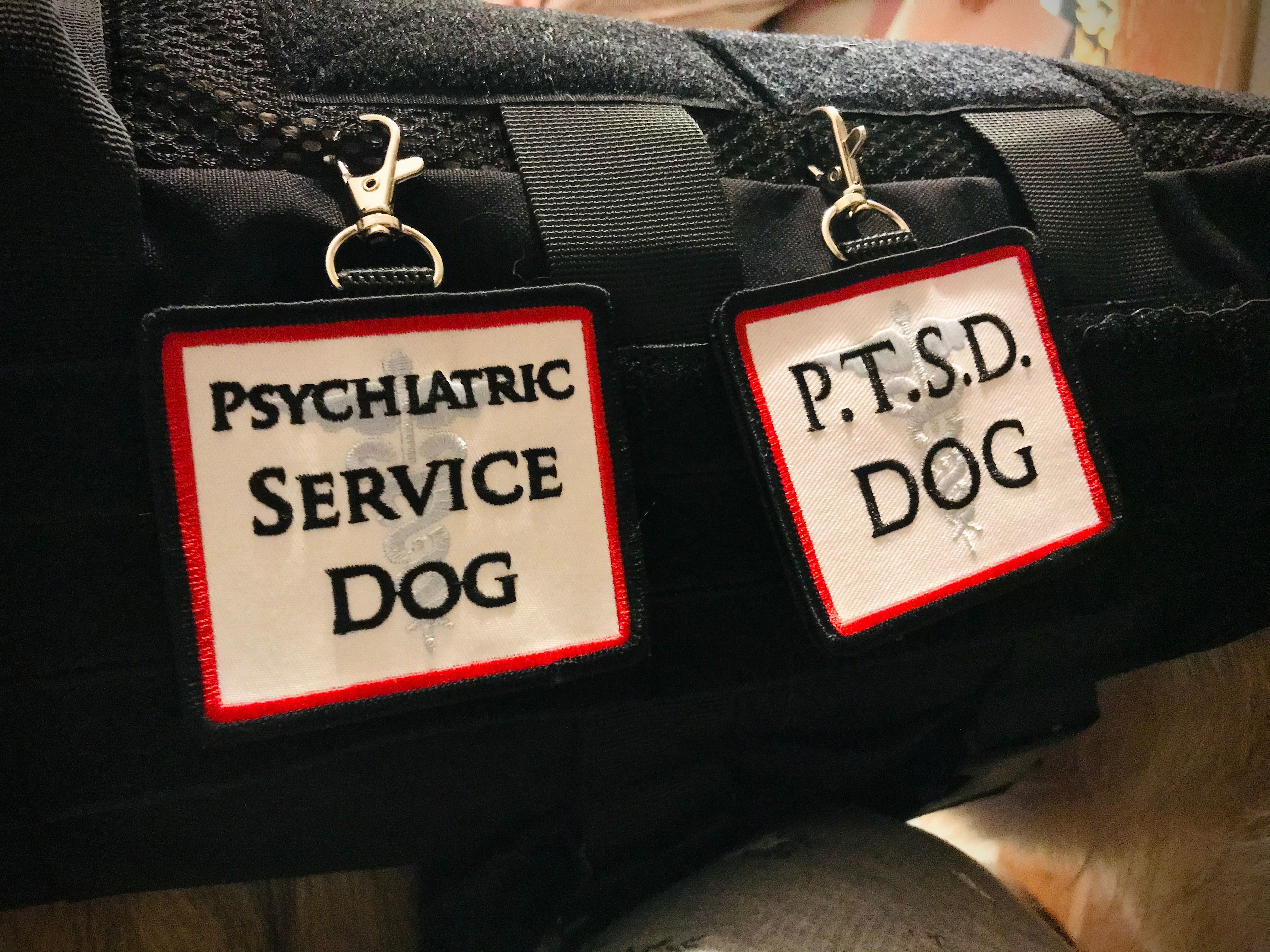
These dogs are trained to assist with a variety of mental health conditions, including post-traumatic stress disorder (PTSD), anxiety disorders, depression, and bipolar disorder. Their ability to recognize signs of distress and intervene is invaluable.
How They Help
The tasks these dogs perform are tailored to the specific needs of their handlers. Some common tasks include:
- Interrupting self-harming behaviors
- Providing tactile stimulation to disrupt emotional overload
- Reminding the handler to take medication
- Guiding the handler to a safe place during an anxiety attack
Each task is designed to help manage symptoms and provide a sense of security and stability, allowing individuals to lead more independent and fulfilling lives.
Success Stories: Transformative Experiences
Real-life stories of individuals who have benefited from psychiatric service dogs are both inspiring and heartwarming. One such story is of a veteran with PTSD who found solace with his service dog, Max. Before Max, the veteran struggled with nightmares and hypervigilance, but with Max's help, he now experiences restful sleep and greater peace of mind.
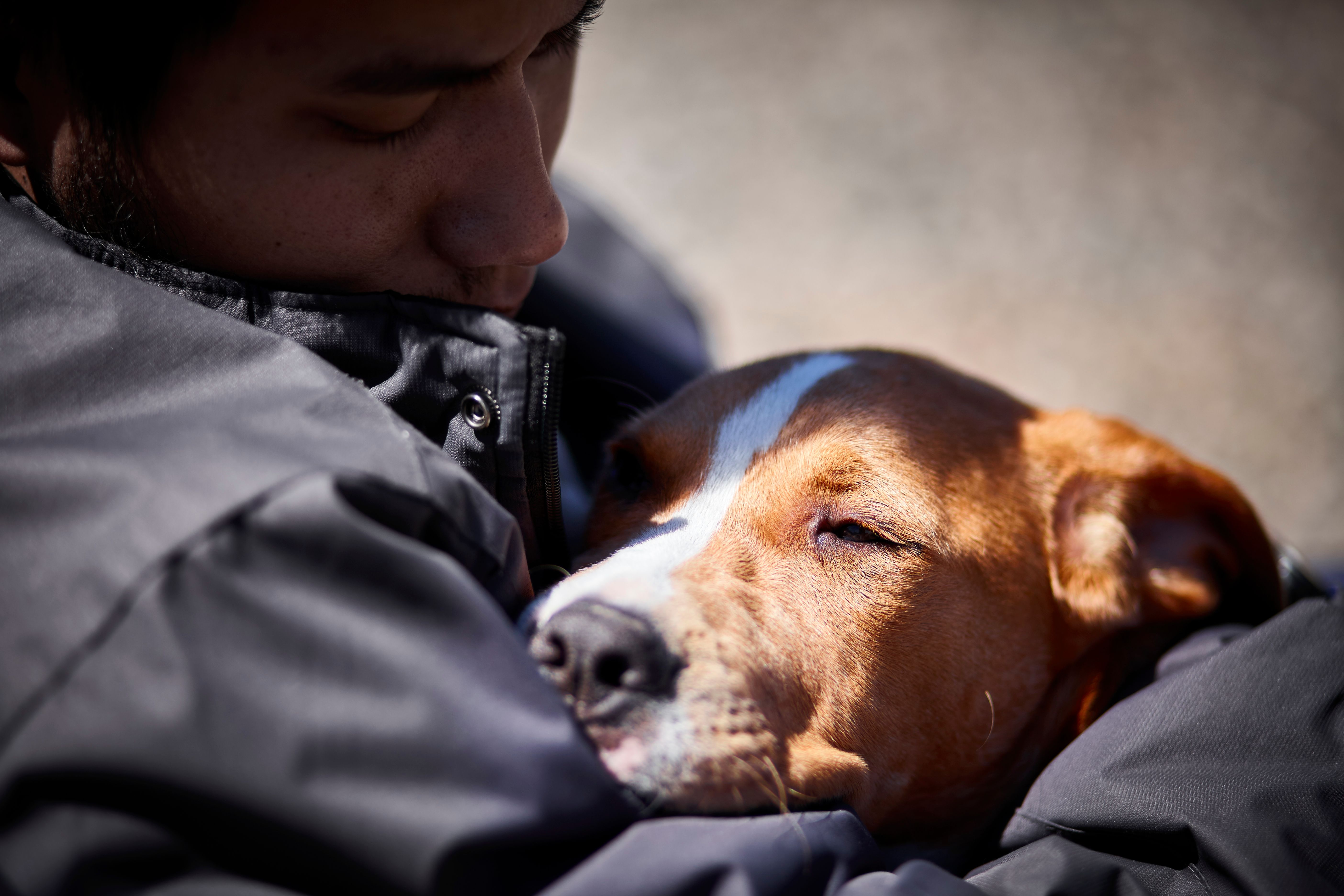
Another example is a young woman battling severe anxiety and depression. Her service dog, Bella, has been trained to detect signs of an impending panic attack. Bella’s presence alone is enough to help her regain control, enabling her to participate in social activities she once avoided.
Building Stronger Connections
Beyond task assistance, psychiatric service dogs offer unconditional love and companionship. They provide a non-judgmental presence that can be incredibly comforting to those dealing with mental health challenges. This bond fosters a deep emotional connection that can significantly improve the handler's quality of life.
The trust and loyalty between a handler and their service dog can lead to improved self-esteem and confidence, encouraging individuals to engage more fully with the world around them.

Overcoming Challenges Together
While psychiatric service dogs offer immense benefits, the journey is not always easy. Training a service dog can be time-consuming and requires patience and dedication. However, the rewards often outweigh the challenges, as many handlers find a renewed sense of purpose and hope.
Organizations and trainers provide support and guidance throughout the process, ensuring both the handler and the dog are well-prepared for their partnership. This training is essential to maximize the positive impact of the relationship.
The Path Forward
The demand for psychiatric service dogs continues to grow as awareness of their benefits spreads. These remarkable animals offer a beacon of hope for those navigating the complexities of mental health conditions. By sharing success stories and promoting understanding, we can ensure more individuals have access to the life-changing support these dogs provide.
As we recognize the importance of psychiatric service dogs, it's crucial to advocate for policies and programs that support their training and accessibility. Together, we can pave the way for a brighter, more inclusive future.