Preparing for Seasonal Changes with Your Psychiatric Service Dog


Understanding Seasonal Changes and Their Impact
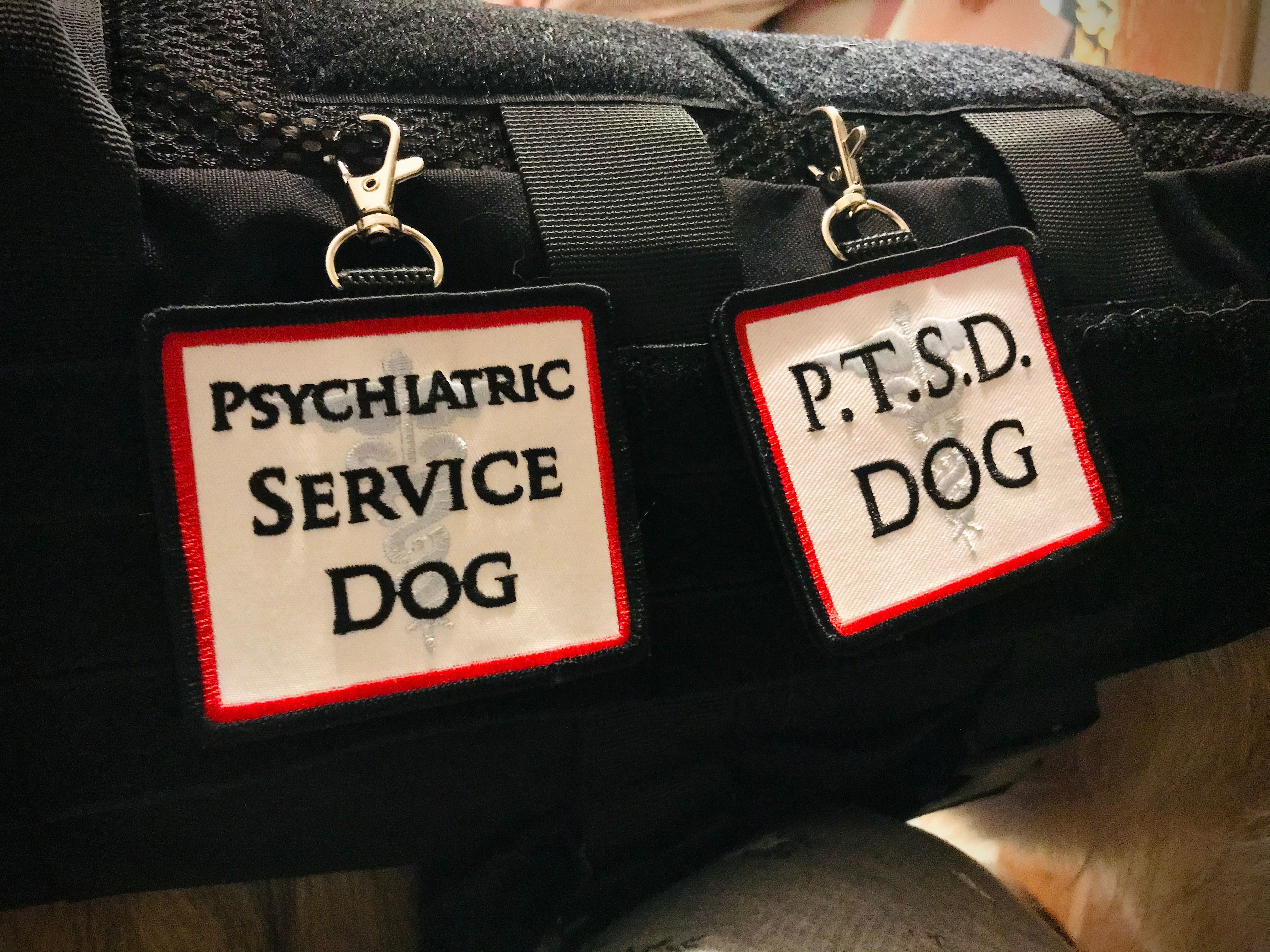
As the seasons change, so do our daily routines and environments. For individuals relying on psychiatric service dogs, these transitions can bring unique challenges and opportunities. Preparing for seasonal changes with your service dog involves understanding how different weather conditions can affect both you and your furry companion.
Changes in temperature, daylight hours, and even routine can impact mental health conditions, making it essential to plan ahead. By preparing both yourself and your service dog, you can ensure a smooth transition and maintain your well-being throughout the year.
Adapting to Weather Changes
Cold Weather Considerations
As colder months approach, it's important to ensure your service dog stays warm and comfortable. Consider investing in a doggy coat or sweater, especially for breeds with shorter fur. Protective booties can help prevent frostbite and keep their paws safe from icy surfaces.
Additionally, consider adjusting your walking routine to avoid the coldest parts of the day. Ensure that your service dog has a warm and cozy place to rest indoors, away from drafts.
Warm Weather Preparations
In warmer seasons, keeping your service dog cool and hydrated is crucial. Always provide access to fresh water and shaded areas during outdoor activities. Be mindful of hot pavement that can burn sensitive paws.
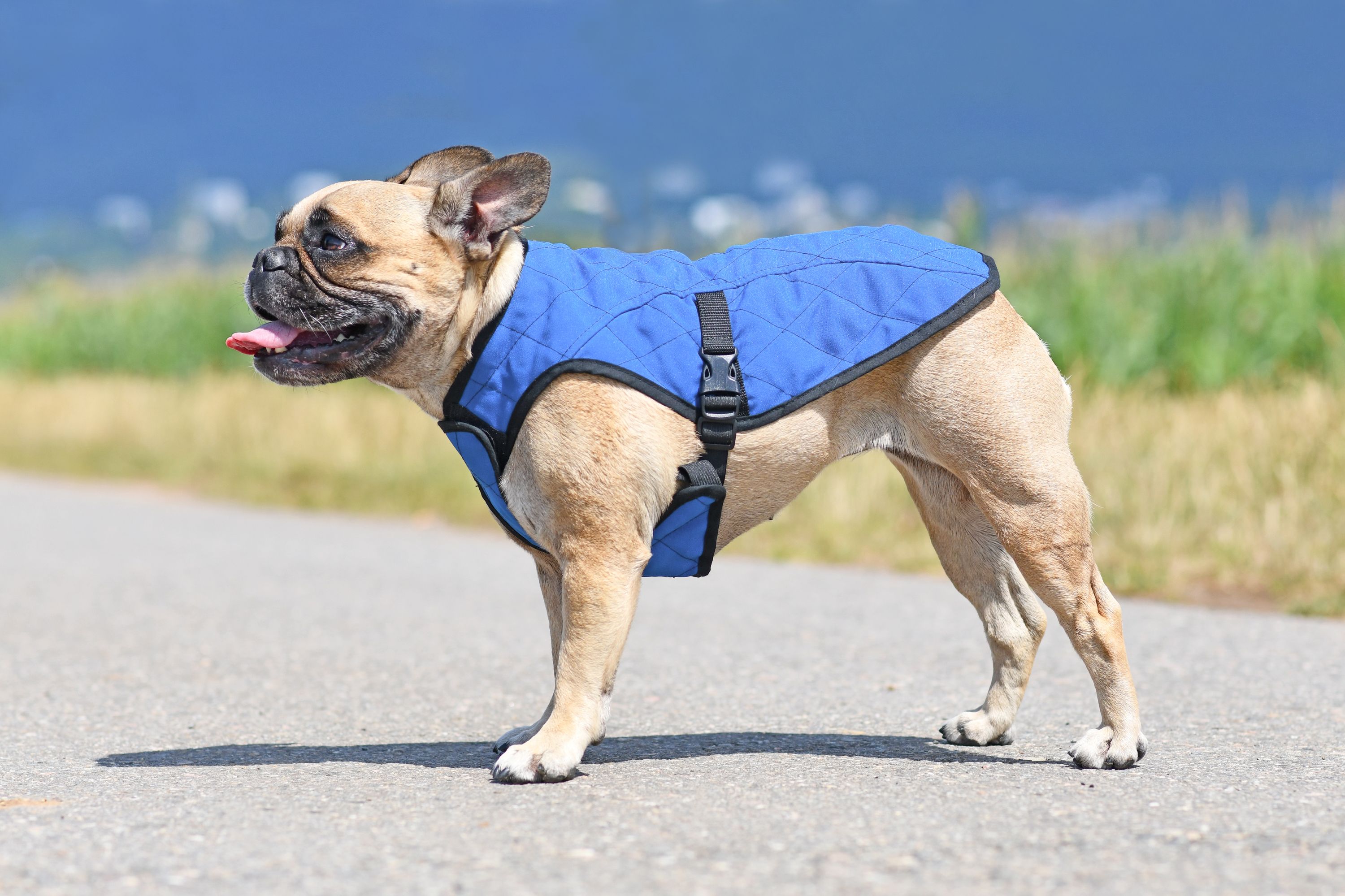
Consider using cooling vests or mats to help regulate your dog's temperature. This is especially important for breeds that are prone to heat exhaustion.
Maintaining Routine Amidst Change
Seasonal changes often mean shifts in daily schedules. Keeping a consistent routine helps both you and your service dog adjust more easily. Try to keep feeding, walking, and training times stable, even as daylight hours shift.
During times of change, reinforce training and commands to ensure your service dog remains focused and responsive. Consistency provides reassurance for both of you during transitional periods.
Preparing for Seasonal Allergies
Just like humans, dogs can suffer from seasonal allergies. If your service dog shows signs of itching, sneezing, or irritation, consult your veterinarian for appropriate treatments. Regular grooming can also help minimize the impact of allergens.
Be aware of common allergens in your area during different seasons, such as pollen in spring or mold in fall, and take preventive measures accordingly.
Enhancing Your Bond Through Seasonal Activities
Seasonal changes provide opportunities to strengthen the bond with your service dog through new activities. In the fall, enjoy scenic walks, while winter may offer a chance to play in the snow. In spring and summer, explore hiking trails or visit dog-friendly beaches.
Engaging in these activities not only helps maintain physical health but also improves mental well-being for both you and your service dog.
Conclusion
Preparing for seasonal changes with your psychiatric service dog involves a combination of practical adjustments and proactive planning. By taking steps to adapt to weather changes, maintaining routines, and engaging in seasonal activities, you can ensure a harmonious and supportive environment for both you and your loyal companion.
Remember, the key is preparation and flexibility. With the right approach, each season can bring new joys and opportunities for growth and connection.