Navigating Local Laws: Psychiatric Service Dog Regulations in Palmetto


Understanding the regulations surrounding psychiatric service dogs can be crucial for residents of Palmetto. These animals provide essential support to individuals with mental health challenges, but navigating local laws can be complex. This guide aims to simplify the process and ensure compliance with local regulations.
What is a Psychiatric Service Dog?
Psychiatric service dogs are trained to perform specific tasks that assist individuals with mental health disabilities. Unlike emotional support animals, they are granted access to public places under the Americans with Disabilities Act (ADA). However, knowing the local nuances in Palmetto is essential for handlers.
These service dogs can perform tasks such as reminding their handler to take medication, interrupting self-harm behaviors, or providing grounding during anxiety episodes. Their role is pivotal in the daily lives of those they assist.
Federal vs. Local Regulations
While the ADA provides a federal framework, local regulations in Palmetto can offer more specific guidance. It is important to understand both sets of laws to ensure full compliance and to take advantage of the rights afforded to service dog handlers.
Local laws may address issues such as registration requirements, identification, and access rights in more detail. Staying informed about any updates or changes in these regulations is crucial for handlers residing in Palmetto.
Registration and Identification
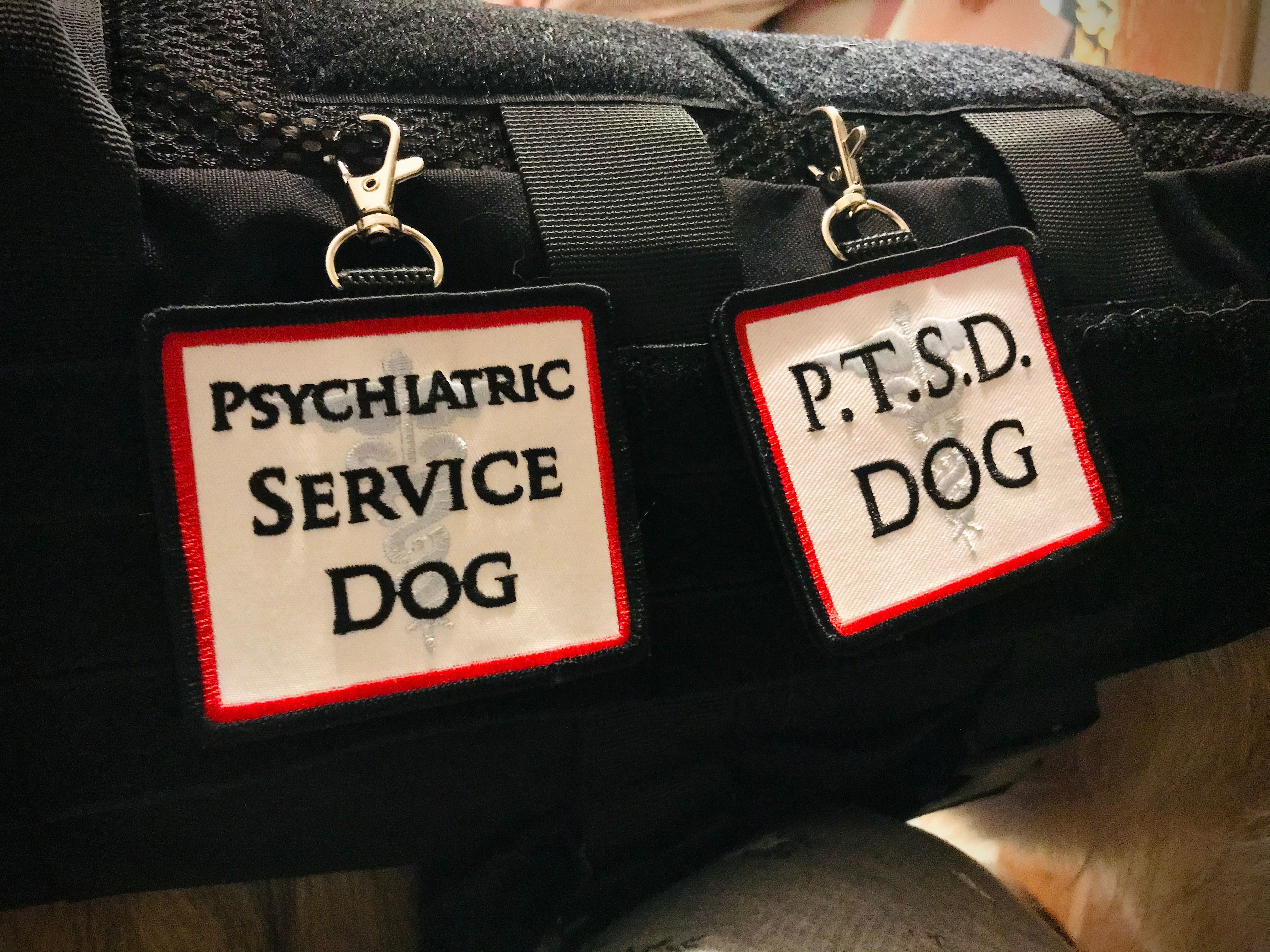
In Palmetto, registration of psychiatric service dogs is not required by law, but having identification can facilitate smoother access to public spaces. Handlers can choose to use vests or ID cards, although these are not mandatory under federal law.
Access Rights in Public Spaces
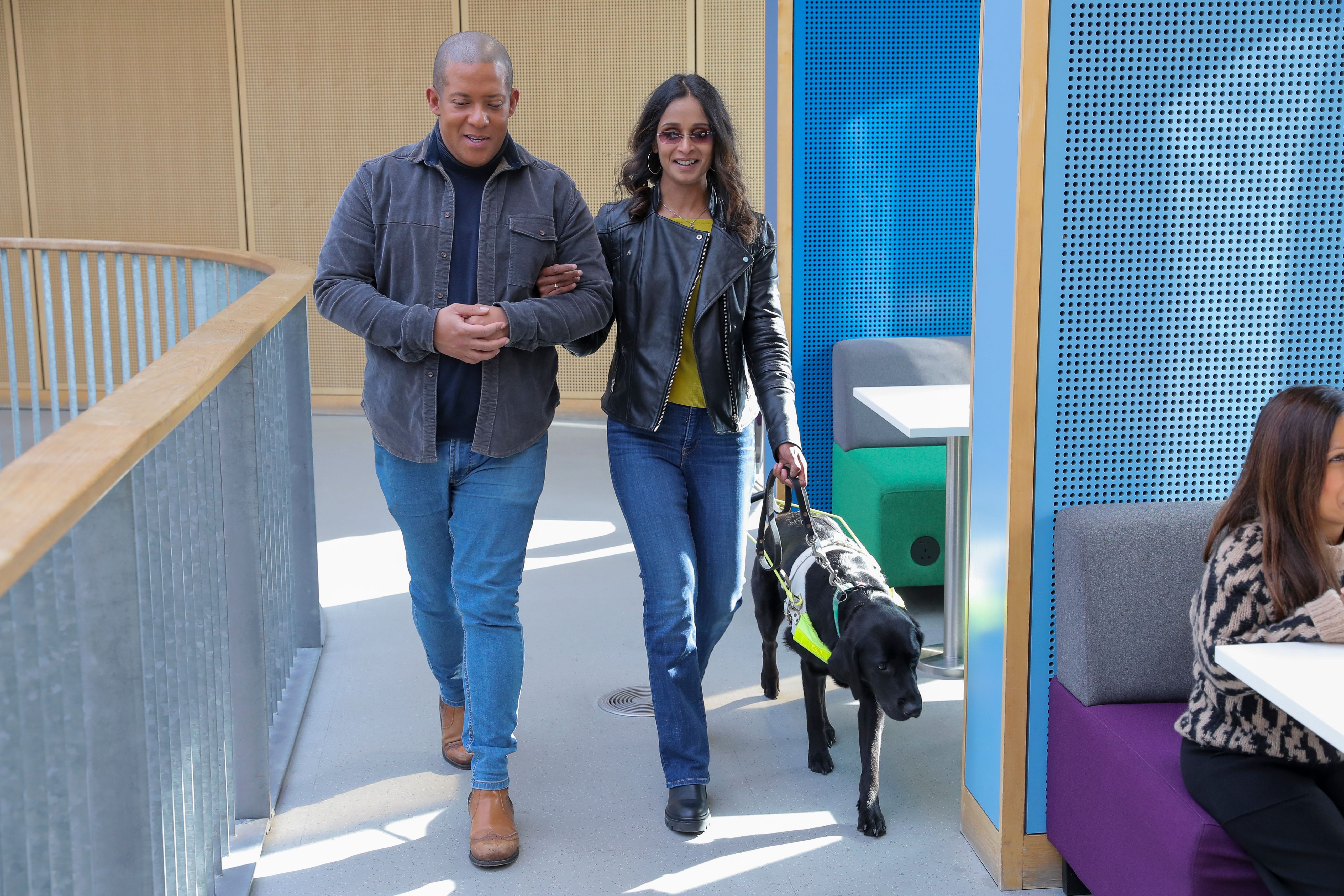
Under the ADA, psychiatric service dogs are allowed in all areas open to the public, including restaurants, stores, and public transport. In Palmetto, any business denying access is subject to penalties. Handlers should be prepared to explain their rights if challenged.
It's advisable for handlers to familiarize themselves with local businesses' policies and to be ready to provide information on the legal rights of service dogs if necessary.
Housing Considerations
In terms of housing, psychiatric service dogs are protected under the Fair Housing Act. In Palmetto, landlords cannot deny housing to individuals with service dogs, even if there is a no-pet policy in place. This ensures that handlers have equal access to housing opportunities.
Challenges and Solutions
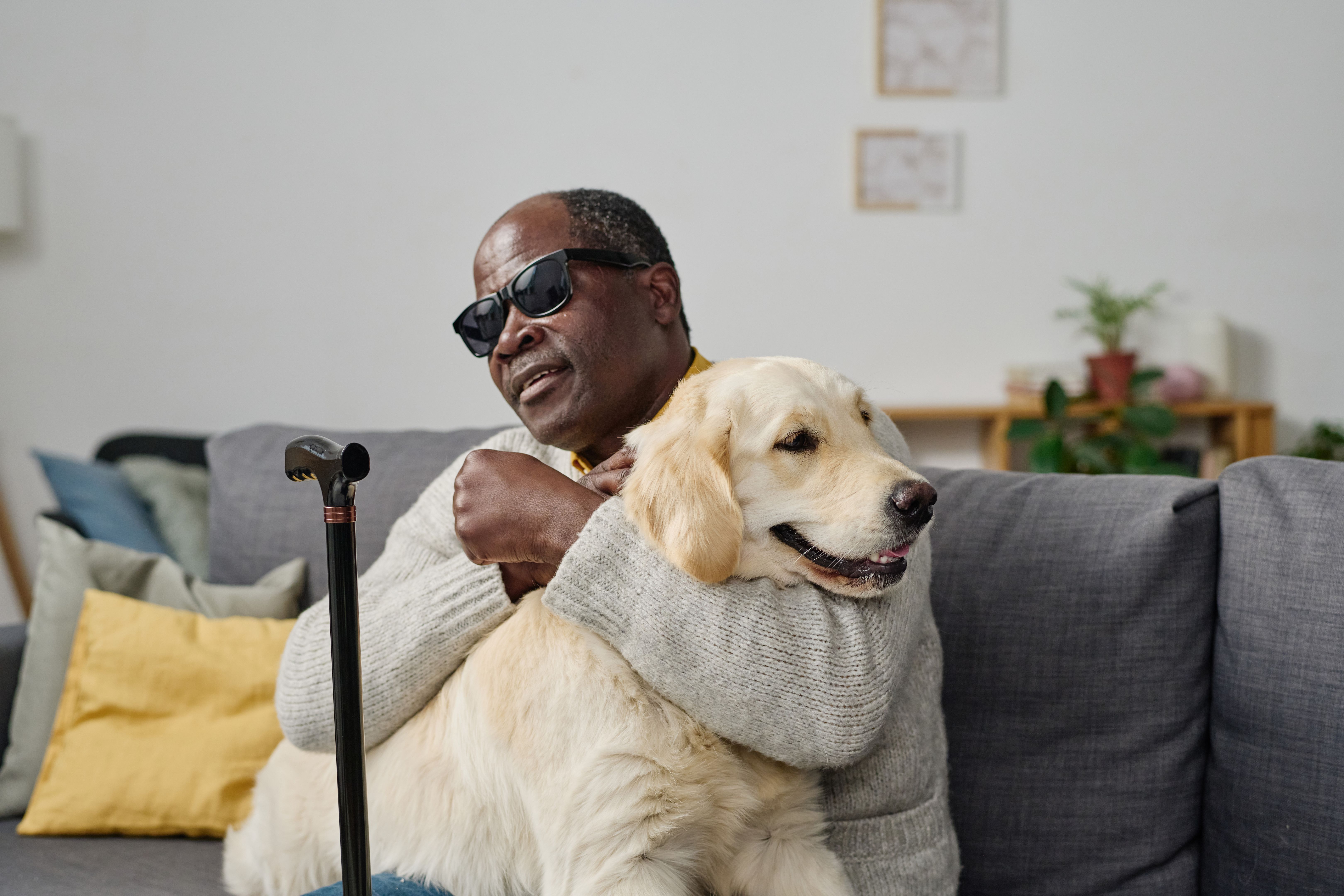
Despite legal protections, handlers may face challenges such as public misunderstanding or discrimination. Education and awareness are key to overcoming these obstacles. Engaging with local advocacy groups can provide support and resources for handlers in Palmetto.
By staying informed and proactive, handlers can navigate the complexities of local laws and foster a supportive environment for themselves and their service dogs.