How to Prepare Your Psychiatric Service Dog for Seasonal Changes


Understanding Seasonal Changes and Their Impact
As the seasons change, the environment around us transforms, bringing about shifts in weather, daylight, and even our routines. These changes can impact not only humans but also our four-legged companions. For those who rely on psychiatric service dogs, it’s essential to prepare them adequately for seasonal transitions to ensure their well-being and continued support.
Each season presents unique challenges and opportunities for service dogs. From temperature fluctuations to changes in daylight hours, being proactive can help maintain your dog’s comfort and performance.
Adapting to Temperature Variations
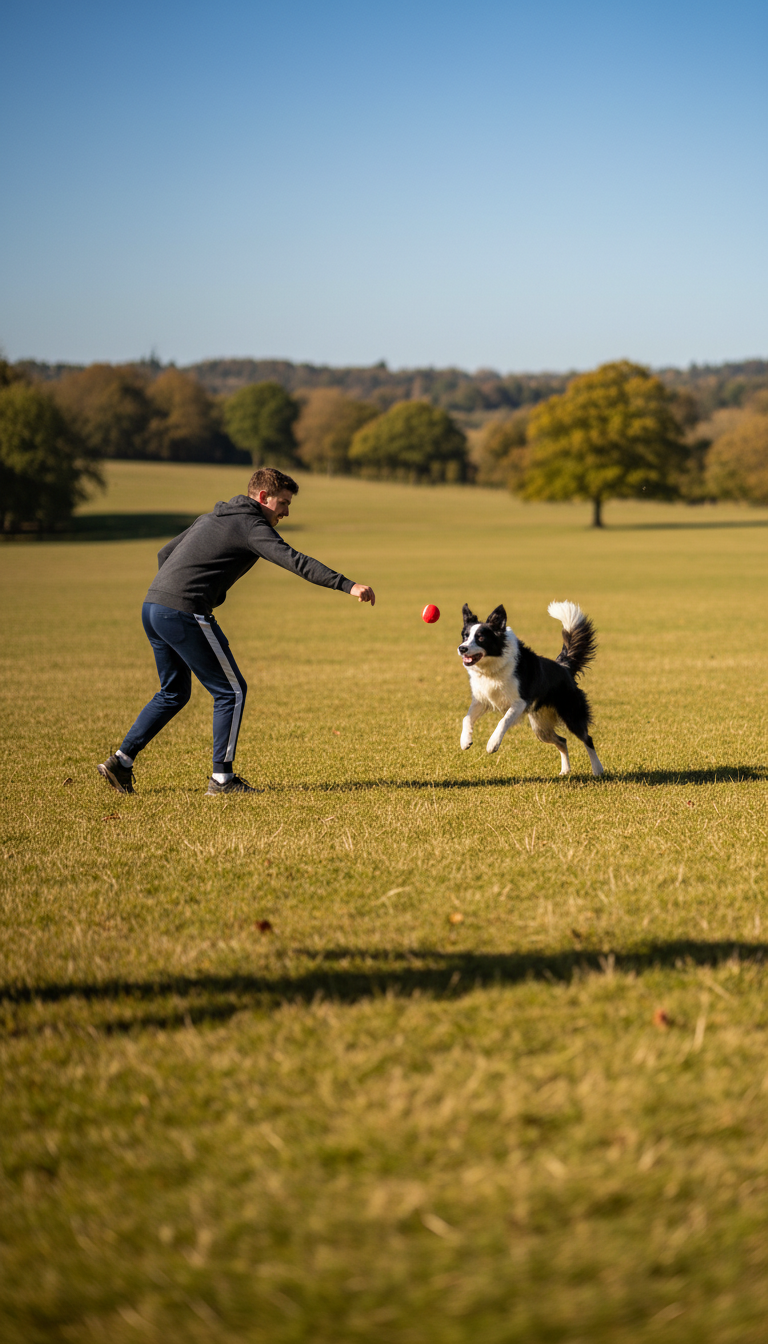
One of the most noticeable changes between seasons is temperature. As temperatures rise in the summer, it’s crucial to protect your service dog from overheating. Ensure your dog has access to shade and fresh water. Consider using cooling vests or mats to keep them comfortable during walks or outdoor activities.
Conversely, in the winter months, cold weather can be a concern. Invest in a good-quality dog coat or sweater to keep your furry friend warm. Pay special attention to their paws, as ice and salt can be harmful. Booties can offer necessary protection during snowy walks.
Adjusting to Changes in Daylight
Seasonal changes also alter daylight hours, which can affect your dog’s routine. In the fall and winter, shorter days might mean walking your dog in the dark. Ensure safety by using reflective gear or LED collars to make your service dog visible to others.
Longer daylight hours in the spring and summer can be an opportunity to enjoy more time outdoors. However, be mindful of peak heat times and try to schedule walks during cooler parts of the day.

Managing Seasonal Allergies
Just like humans, dogs can suffer from seasonal allergies. Spring and fall are particularly notorious for allergens like pollen and ragweed. Observe your service dog for signs of allergies, such as excessive scratching, licking, or red eyes.
If you notice symptoms, consult your veterinarian. They might recommend antihistamines or other treatments to help manage your dog’s discomfort and ensure they can continue their work effectively.
Maintaining a Consistent Routine
Despite the external changes, maintaining a consistent routine is crucial for psychiatric service dogs. Consistency provides a sense of security and helps them perform their duties effectively. Try to keep feeding times, walks, and training sessions as regular as possible.
Being mindful of these seasonal adjustments not only supports your service dog’s health but also strengthens the bond between you and your loyal companion. With the right preparation, you and your service dog can enjoy all the benefits each season has to offer.