How Seasonal Changes Affect Your Psychiatric Service Dog's Training


Understanding Seasonal Changes
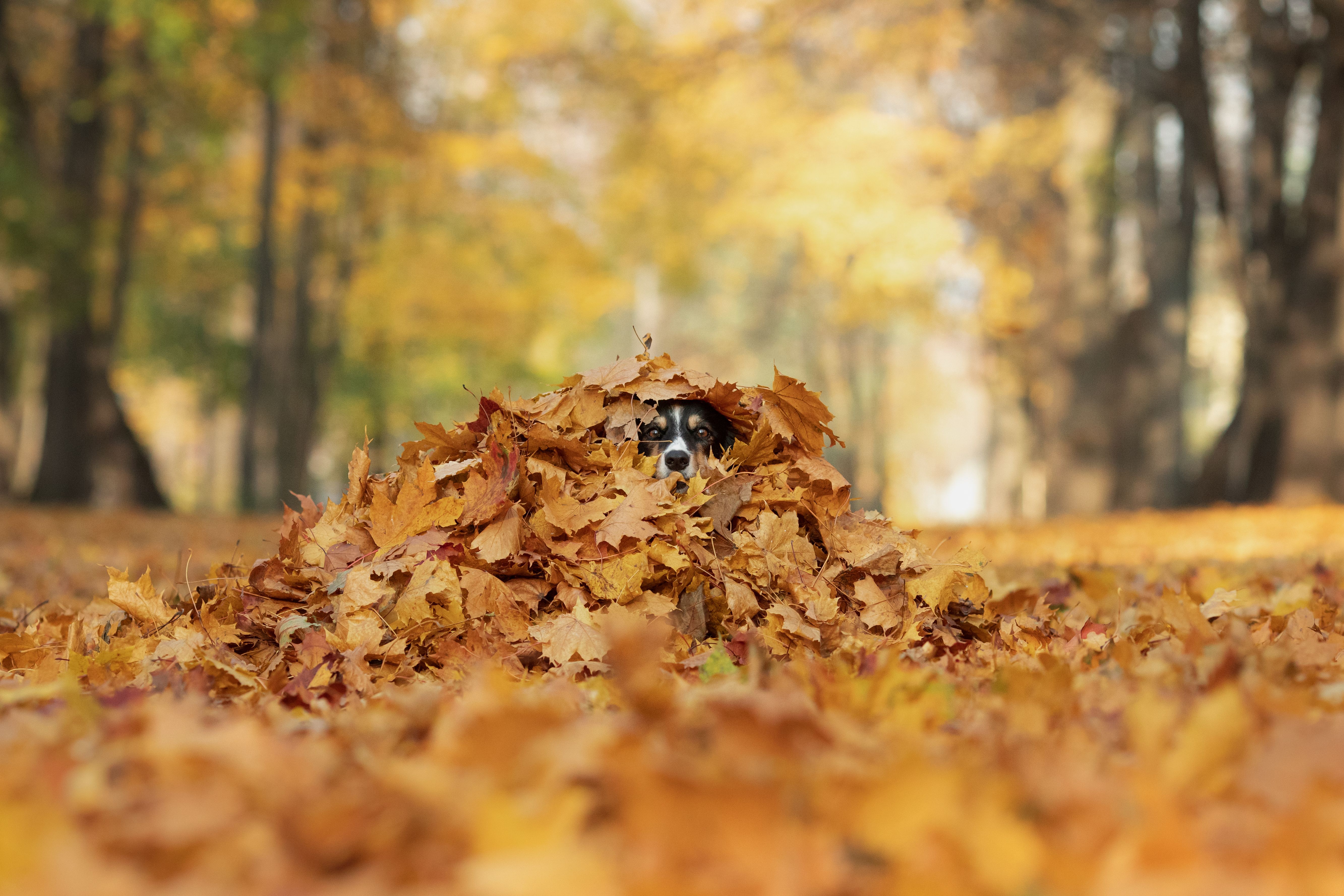
Seasonal changes can have a profound impact on both humans and animals. As the environment transitions from one season to another, it brings with it changes in temperature, daylight, and overall climate. For psychiatric service dogs, these changes can influence their behavior, energy levels, and training outcomes. Understanding how seasons affect your service dog is crucial for maintaining effective training and ensuring their well-being.
Many dog owners might notice a shift in their dog's behavior as the seasons change. This is not merely coincidental; it's a natural response to environmental factors. Dogs, like humans, can be affected by variations in daylight and temperature, which can influence their mood and energy.
Temperature and Training Efficiency
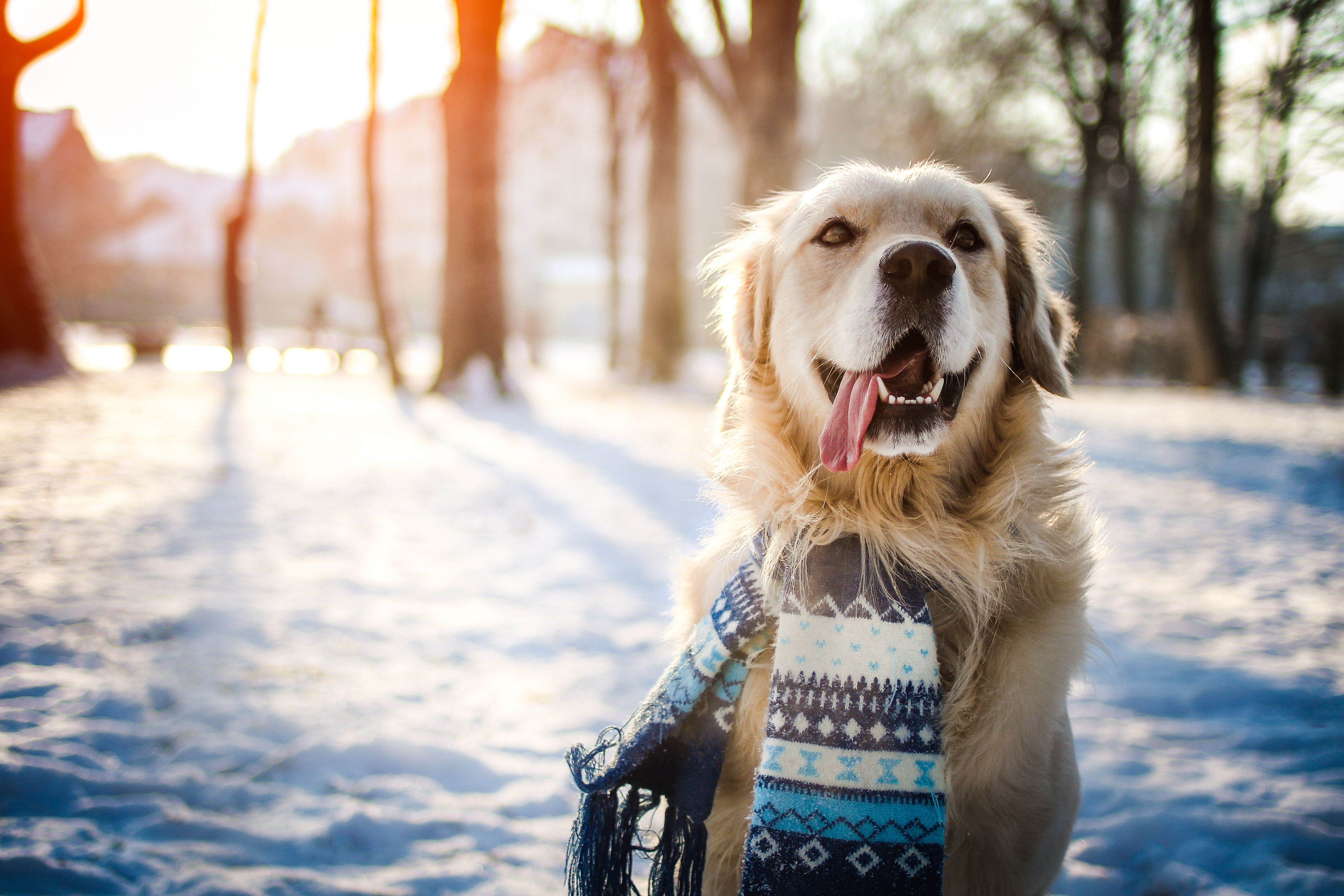
The temperature during different seasons can significantly impact a psychiatric service dog's training efficiency. In hotter months, dogs may experience lethargy, making them less responsive during training sessions. Conversely, during colder months, some dogs may become more energetic, while others might be reluctant to train outside due to discomfort.
To maintain effective training, adjust the timing of sessions to suit the season. For instance, during summer, consider training early in the morning or late in the evening when temperatures are cooler. In winter, midday sessions might be more comfortable when the sun provides some warmth.
Daylight and Its Impact
Daylight hours change drastically with the seasons, which can affect a dog's circadian rhythm. Longer days in summer may lead to increased activity levels, while shorter winter days might result in reduced energy and motivation.
To optimize training outcomes, align your training schedule with daylight hours. Ensure your dog gets ample exposure to natural light, as it can help regulate their sleep-wake cycles, positively affecting their focus and behavior during training sessions.
Adjusting Training Techniques
Each season may necessitate a change in training techniques. For example, during rainy or snowy seasons, outdoor training may become challenging. This is an excellent opportunity to focus on indoor activities that stimulate your dog's mind and reinforce learned behaviors.
- Puzzle toys and games
- Indoor agility setups
- Clicker training and obedience drills
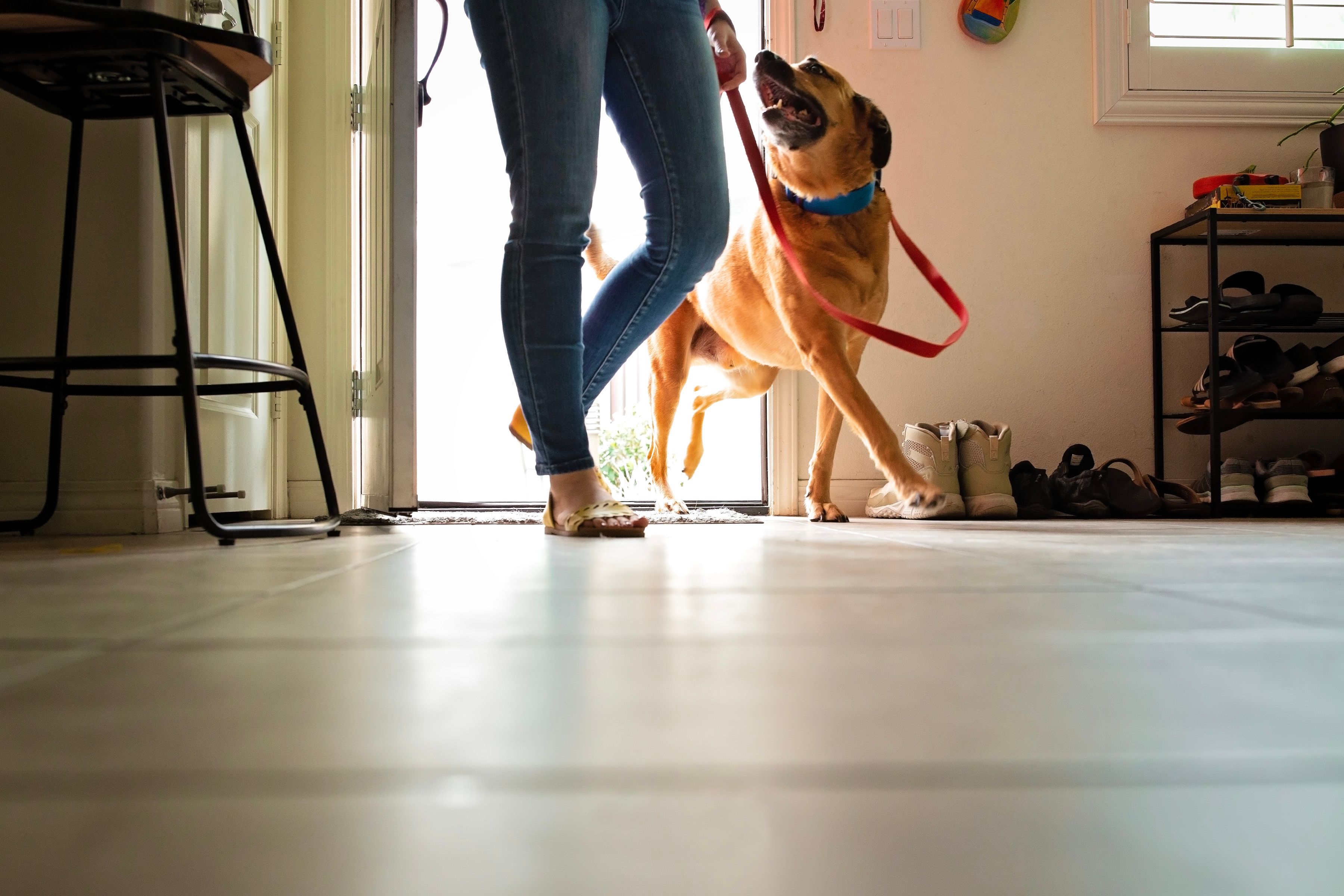
These activities can offer mental stimulation and maintain your dog's training progress even when outdoor activities are limited.
Monitoring Behavioral Changes
Seasonal changes may also bring about behavioral shifts in your psychiatric service dog. It's essential to monitor any changes closely and adjust your approach as needed. Look for signs such as increased anxiety, restlessness, or changes in appetite, which may indicate that your dog is affected by the season.
If you notice significant behavioral changes, consider consulting with a professional trainer or veterinarian to address these issues promptly. They can provide tailored advice to ensure your dog's emotional and physical well-being.
Conclusion
Understanding how seasonal changes affect your psychiatric service dog's training is vital for maintaining their effectiveness and ensuring their happiness. By adjusting training schedules, techniques, and monitoring behavior, you can help your dog adapt to seasonal shifts and continue to thrive in their role. Stay attentive and responsive to your dog's needs, and you'll foster a strong, supportive partnership throughout the year.