Expert Tips for Training Your Psychiatric Service Dog


Understanding the Role of a Psychiatric Service Dog
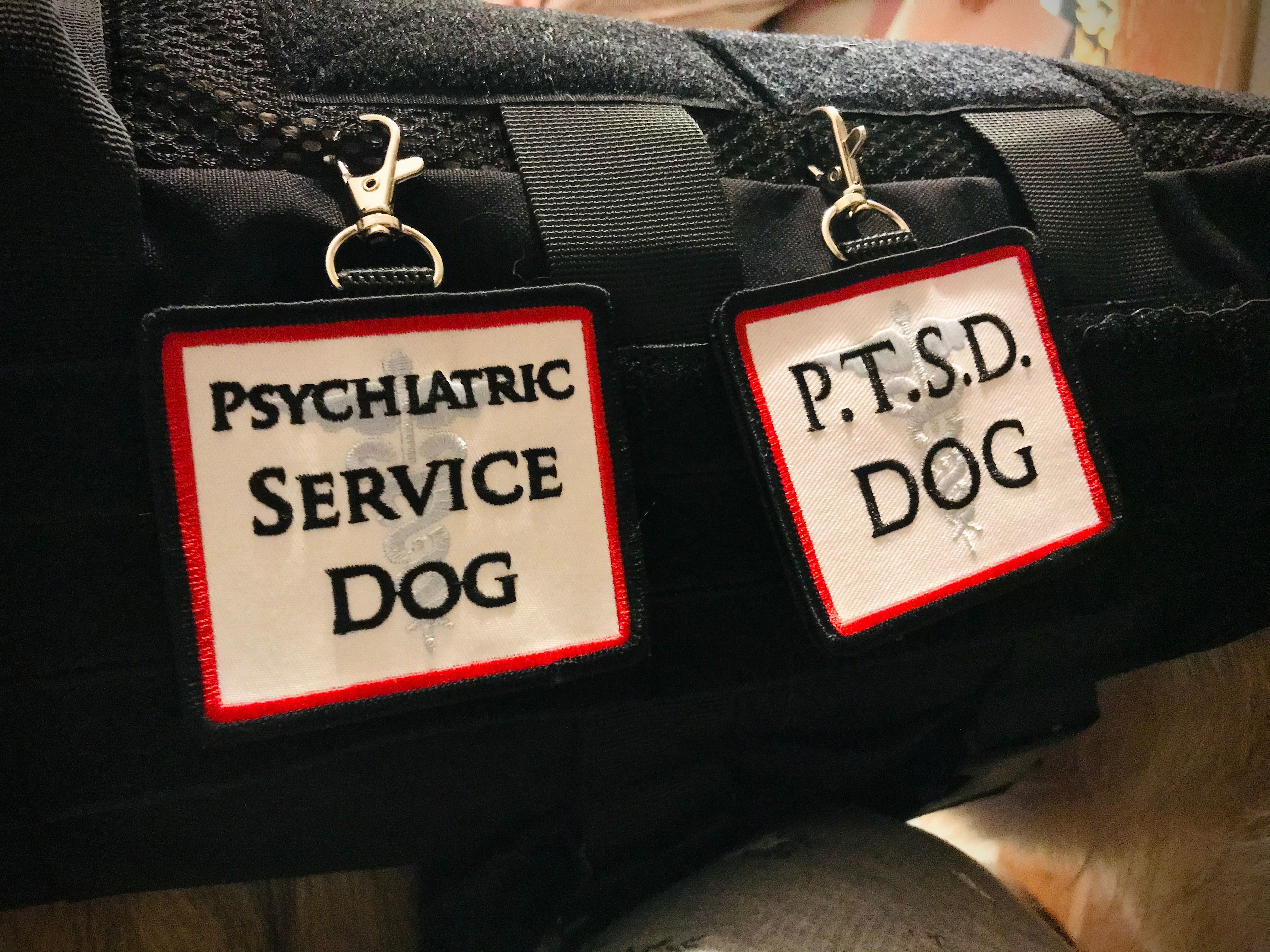
Psychiatric service dogs play a crucial role in assisting individuals with mental health conditions. These specially trained dogs help perform tasks that mitigate their handler's psychiatric disabilities, providing both practical and emotional support. Understanding the unique role of these dogs is the first step in their effective training.
Unlike regular pets, psychiatric service dogs are trained to perform specific tasks such as reminding their handler to take medications, interrupting harmful behaviors, or providing grounding during anxiety attacks. This specialized training requires patience, consistency, and an understanding of the handler's unique needs.
Starting with Basic Obedience Training
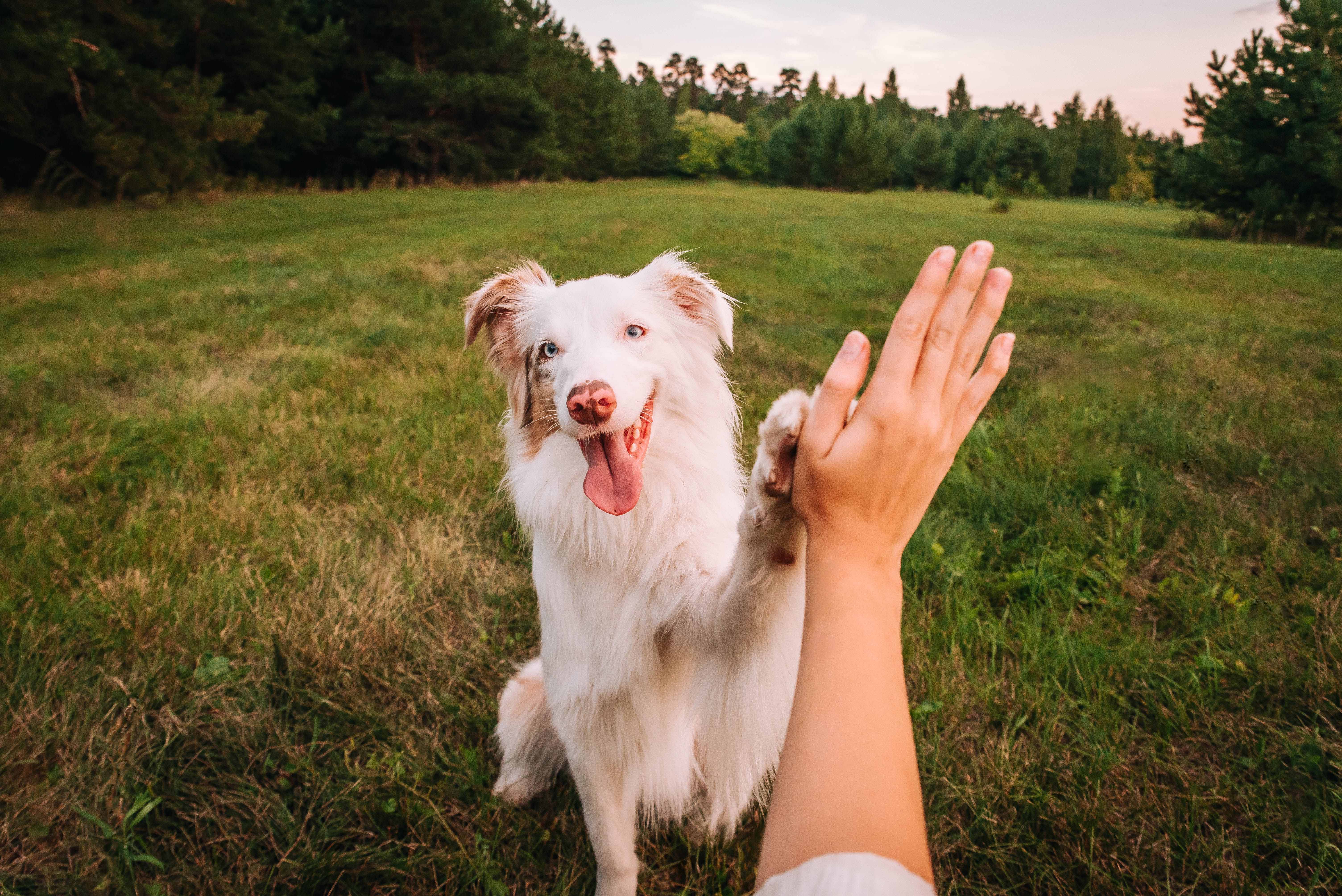
Before diving into task-specific training, it's essential to establish a foundation of basic obedience. This involves teaching your dog commands such as sit, stay, come, and heel. Consistent obedience training ensures that your service dog will respond reliably in various situations, which is vital for their role.
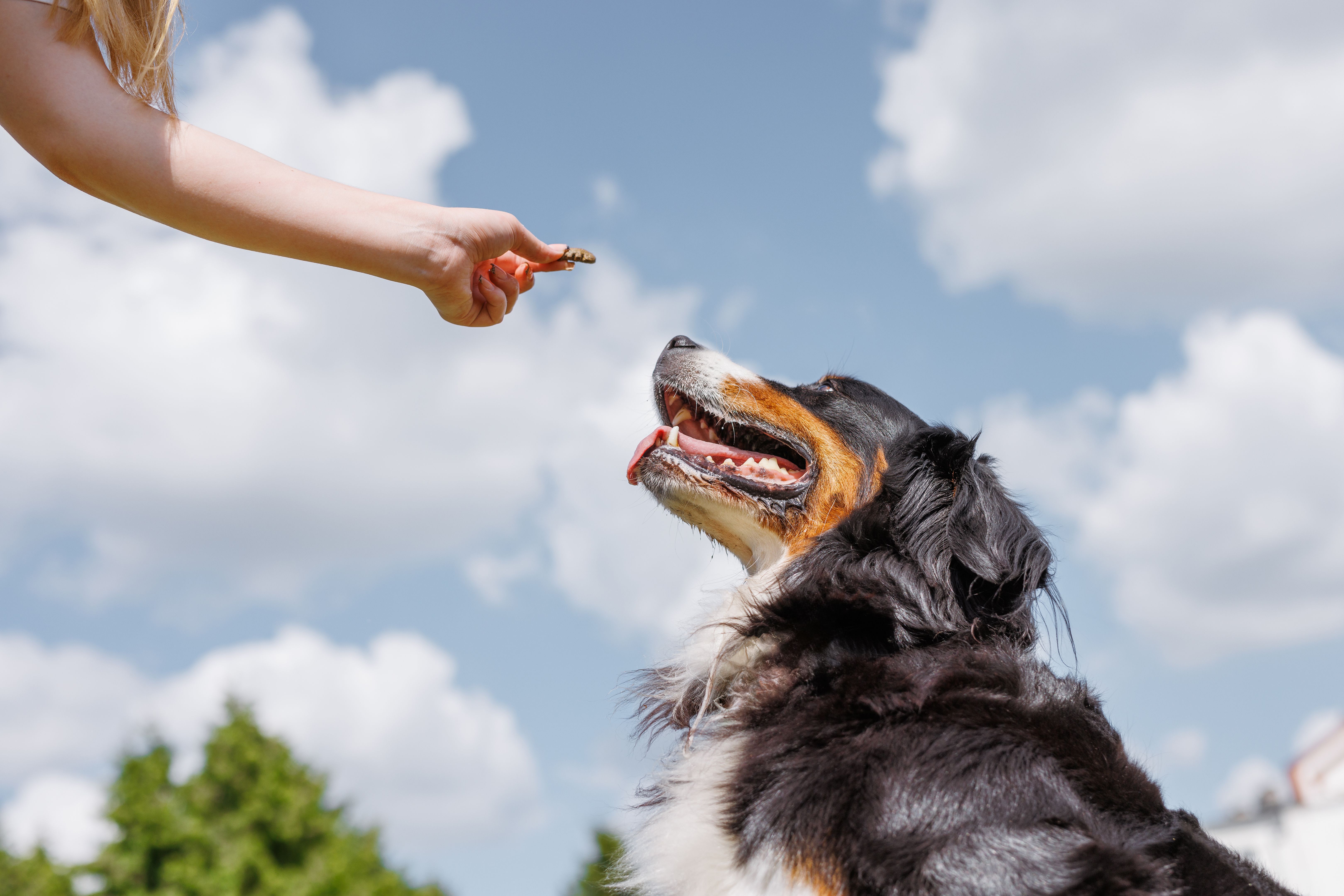
Using positive reinforcement techniques, such as treats and praise, can make the training process more effective and enjoyable for both you and your dog. Regular practice in different environments will help your dog generalize these commands, ensuring they obey regardless of distractions or stressors.
Task-Specific Training Techniques
Once basic obedience is established, you can move on to task-specific training. This stage of training will vary depending on your specific needs. For example, if your dog is required to alert you to an impending anxiety attack, you may need to train them to recognize specific cues or changes in your behavior.
Breaking down tasks into smaller, manageable steps is crucial. Start with simple tasks and gradually increase complexity. Consistent rewards and reinforcement help solidify these behaviors. Remember, patience is key as some tasks may take time to master.
Socializing Your Psychiatric Service Dog
Socialization is a critical component of training a psychiatric service dog. Your dog should be comfortable and well-behaved in various social settings. This includes interactions with strangers, other animals, and exposure to different environments, such as crowded areas or public transportation.
Regular socialization practice helps ensure your service dog remains calm and focused, even in potentially stressful situations. Gradual exposure, paired with positive reinforcement, can build your dog's confidence and adaptability.
Maintaining Your Dog's Health and Well-being
Ensuring the health and well-being of your psychiatric service dog is essential to their performance and longevity. Regular veterinary check-ups, a balanced diet, and sufficient exercise are all fundamental aspects of maintaining your dog's health.
Additionally, mental stimulation is important. Engage your dog in activities that challenge their intelligence and problem-solving skills, such as puzzle toys or advanced training exercises. A healthy, well-rounded lifestyle supports your dog's ability to perform their duties effectively.
Seeking Professional Guidance
While some handlers may choose to train their psychiatric service dogs independently, seeking guidance from professional trainers can be incredibly beneficial. Professional trainers can offer expert advice tailored to your specific needs and help address any challenges you encounter during the training process.
Look for trainers who specialize in service dogs and have experience with psychiatric support tasks. Their expertise can provide valuable insights, making the training process smoother and more efficient.
Training a psychiatric service dog is a rewarding journey that requires dedication and commitment. By understanding their role, focusing on obedience, task-specific training, socialization, and health, you can successfully prepare your dog to support your mental health needs.