Expert Tips for Maintaining Your Psychiatric Service Dog's Training


Understanding the Importance of Consistency
Maintaining your psychiatric service dog's training requires a consistent approach. Just like humans, dogs thrive on routine and structure. Regularly scheduled training sessions can help reinforce the skills your dog has learned while fostering a sense of stability.
Consistency also means using the same commands and rewards. Whether you’re practicing at home or in public, keeping your approach uniform ensures your dog knows what is expected. This consistency helps in reducing confusion and maintaining the quality of assistance your dog provides.

Regular Training and Refreshers
Even the most well-trained psychiatric service dogs benefit from regular refreshers. These sessions don’t have to be lengthy; short, daily training can keep skills sharp. Incorporate training into everyday activities to make it a natural part of your routine.
Consider setting aside specific times each week to focus on more intensive training. This could involve revisiting basic commands or introducing new tasks. Keeping your dog's mind engaged is crucial for their development and effectiveness as a service animal.
Positive Reinforcement
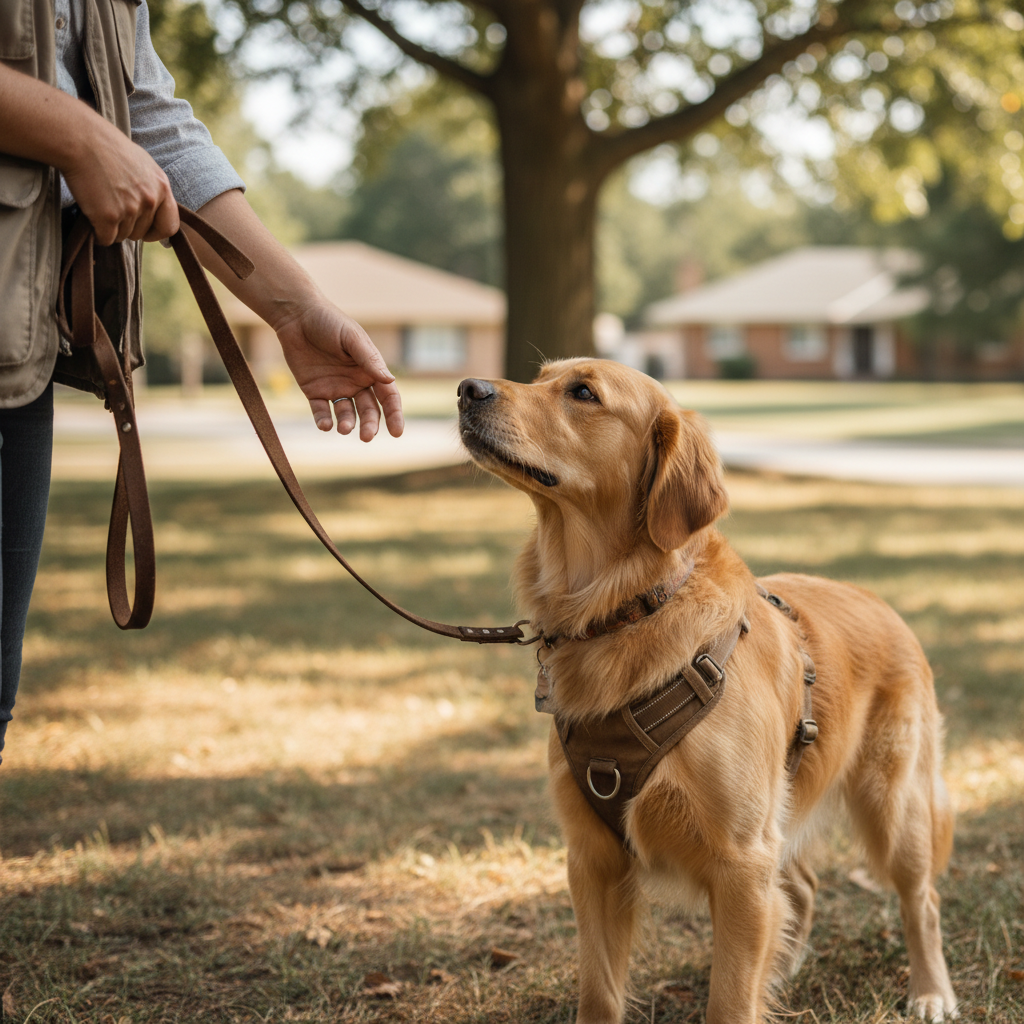
Positive reinforcement is a cornerstone of effective dog training. Rewarding your dog with treats, praise, or playtime encourages them to perform tasks willingly and happily. This approach builds a strong bond between you and your service animal.
Be mindful of the rewards you use. High-value treats can be particularly effective, but make sure they are healthy and used in moderation to maintain your dog's overall health.
Addressing Behavioral Issues Promptly
Behavioral issues can arise in any dog, including trained service animals. It's vital to address these issues promptly to prevent them from becoming habits. Understanding the root cause can help you tailor your training approach.
Consulting with a professional trainer or a veterinarian can provide insights into any underlying issues and suggest effective strategies to manage them.
Socialization and Environmental Exposure
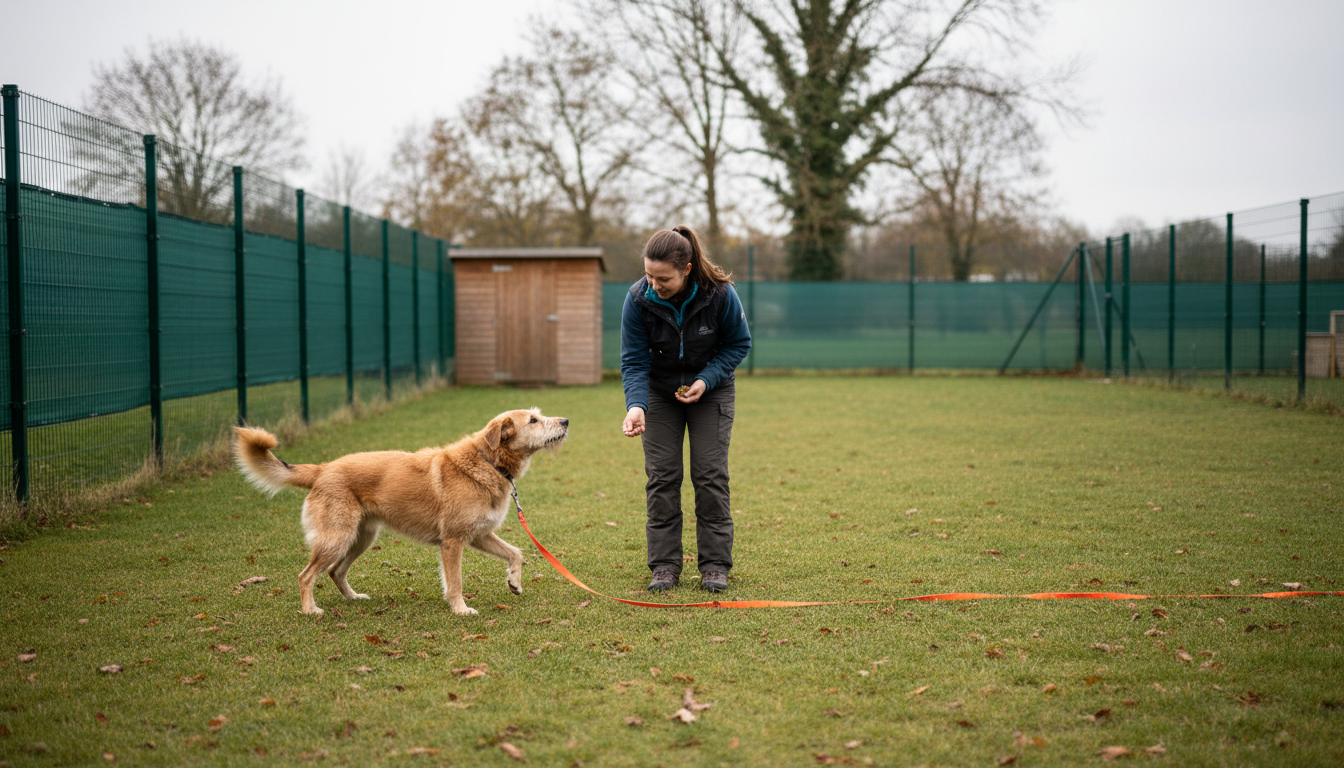
A psychiatric service dog needs to be comfortable in various environments and situations. Regular socialization and exposure to different settings can enhance your dog's adaptability and lessen anxiety.
Take your dog to different places, introduce them to new people and other animals, and gradually increase the complexity of their environments. This practice can make your dog more resilient and better at performing their tasks in diverse situations.
Monitoring Health and Well-being
Your service dog's physical and mental health significantly impacts their ability to serve you effectively. Regular veterinary check-ups, a balanced diet, and adequate exercise are essential components of maintaining your dog's well-being.
Pay attention to any changes in behavior that might indicate discomfort or health issues. Addressing these quickly can prevent them from interfering with your dog's training and service capabilities.
Engaging with Support Networks
Connecting with other psychiatric service dog handlers can provide valuable support and insights. Online forums, local meet-ups, and training groups offer opportunities to share experiences and learn from others facing similar challenges.
These networks can also provide recommendations for trainers, vets, and other resources that can support your dog's training and well-being.
Conclusion
Maintaining your psychiatric service dog's training is an ongoing process that requires dedication and consistency. By incorporating regular training, using positive reinforcement, addressing issues promptly, and ensuring their well-being, you can ensure your service dog remains a reliable and effective companion.
Remember, the bond you share with your service dog is unique and valuable. Investing time and effort into their training not only enhances their ability to assist you but also strengthens your relationship.