Common Myths About Psychiatric Service Dogs Debunked


Understanding Psychiatric Service Dogs
Psychiatric service dogs are highly trained animals that assist individuals with mental health disorders. Despite their growing recognition, several misconceptions persist about their roles and capabilities. Let's explore and debunk some of these myths to better understand the value these animals provide.
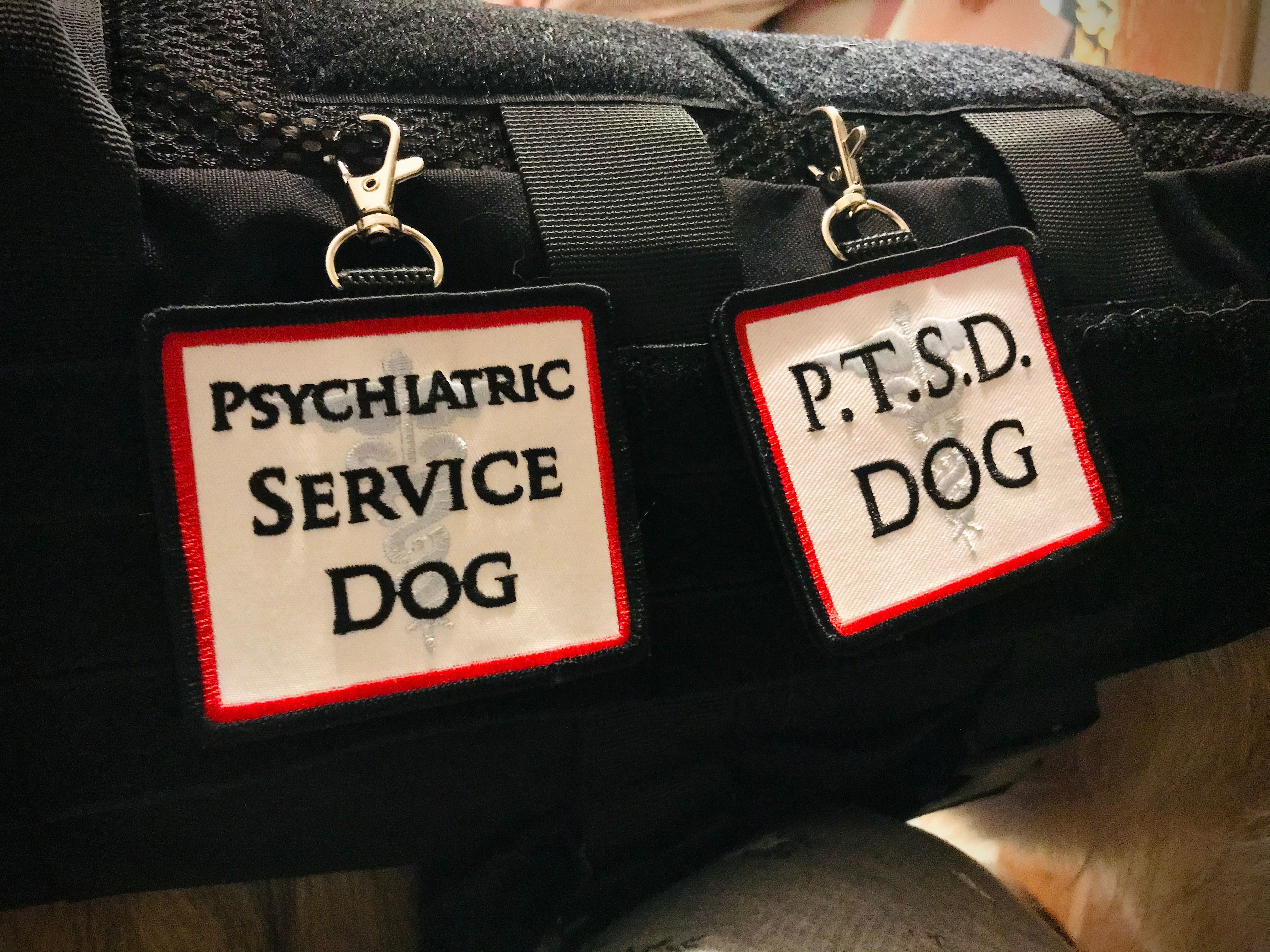
Myth 1: Psychiatric Service Dogs Are Just Pets
One common myth is that psychiatric service dogs are merely pets that offer companionship. In reality, these dogs undergo extensive training to perform specific tasks that aid their handlers. They can detect the onset of anxiety attacks, remind their handlers to take medication, or provide tactile stimulation during dissociative episodes.
The distinction between a pet and a service dog is crucial. While pets provide love and comfort, psychiatric service dogs perform critical functions that can be life-saving for individuals with mental health conditions.
Myth 2: Any Dog Can Be a Psychiatric Service Dog
Another misconception is that any dog can become a psychiatric service dog with minimal training. However, not all dogs possess the temperament or ability to perform the necessary tasks. Service dogs are carefully selected and trained for their roles, often for months or even years, to ensure they can reliably support their handlers.

It's also important to note that while any breed can potentially be a service dog, specific breeds are often chosen for their intelligence, temperament, and size, which align with the needs of the handler.
Myth 3: Psychiatric Service Dogs Don't Have Access Rights
Some people mistakenly believe that psychiatric service dogs do not have the same access rights as service dogs for physical disabilities. Under the Americans with Disabilities Act (ADA), psychiatric service dogs are granted the same public access rights as other service dogs. This means they can accompany their handlers in public spaces, including restaurants, stores, and public transportation.

Understanding these rights is essential to ensure that individuals with psychiatric service dogs can navigate the world without unnecessary barriers or discrimination.
Myth 4: Emotional Support Animals and Psychiatric Service Dogs Are the Same
Confusion often arises between emotional support animals (ESAs) and psychiatric service dogs. While both provide emotional benefits, psychiatric service dogs are trained to perform specific tasks related to their handler's disability. In contrast, ESAs do not require special training and are not granted the same public access rights.
This distinction is crucial for both legal and practical reasons, as it affects where each type of animal can accompany their owner and the roles they perform.
Myth 5: Psychiatric Service Dogs Are a Cure-All
It's important to recognize that while psychiatric service dogs provide significant support, they are not a standalone cure for mental health conditions. They are part of a comprehensive treatment plan that may include therapy, medication, and other interventions. Their presence can enhance the quality of life and provide essential support, but they work best when integrated with other treatment methods.

By debunking these myths, we can foster a greater understanding and appreciation for the vital role psychiatric service dogs play in the lives of those they assist. They are not just companions but critical partners in managing and overcoming the challenges of mental health conditions.