Common Misconceptions About Psychiatric Service Dogs Debunked


Understanding Psychiatric Service Dogs
Psychiatric service dogs are specially trained animals that provide support to individuals with mental health conditions. Despite their growing recognition, there are still many misconceptions surrounding these invaluable companions. Let's debunk some of these myths to better understand the role and importance of psychiatric service dogs.
Myth 1: Any Dog Can Be a Psychiatric Service Dog
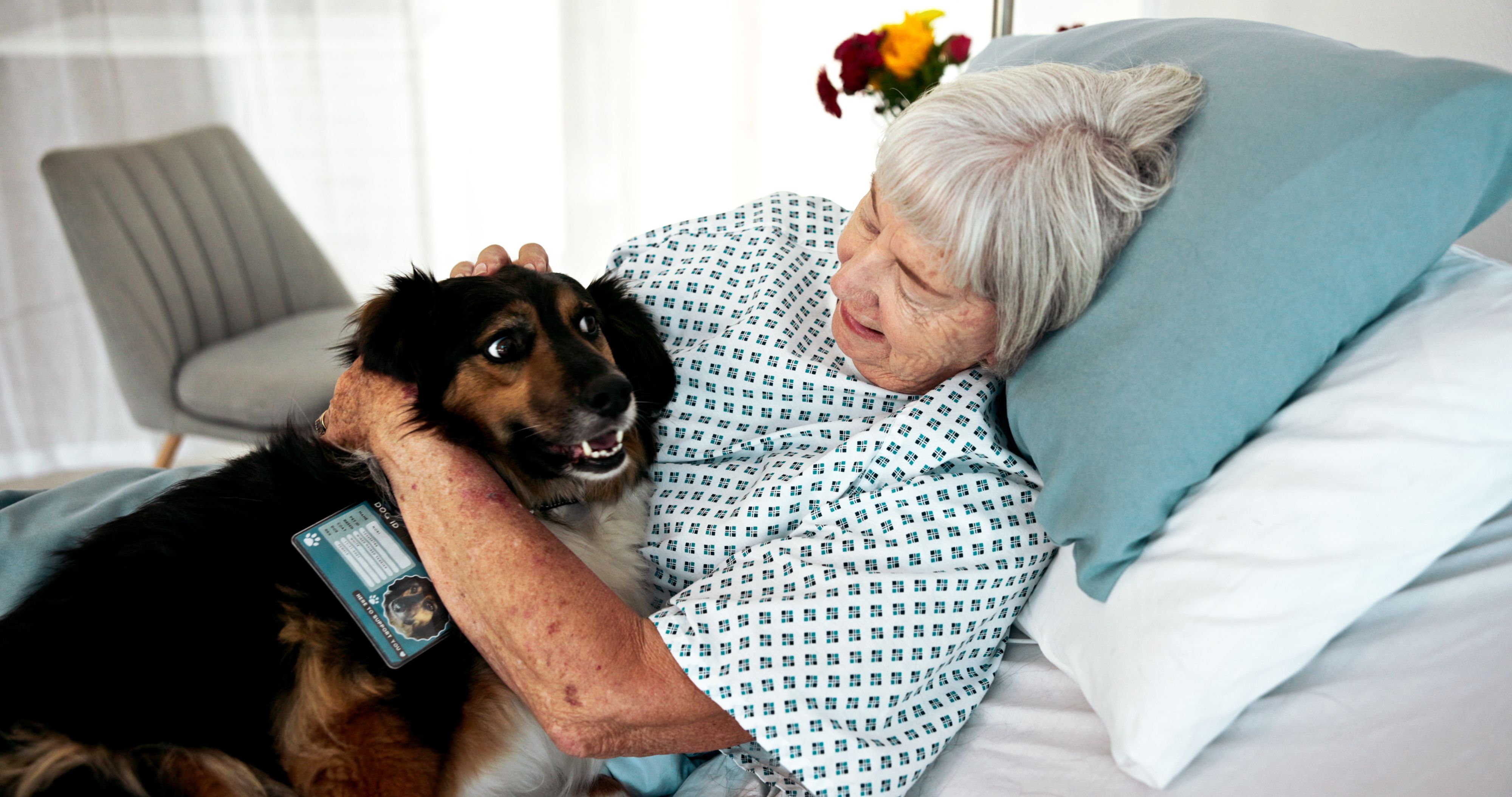
One common misconception is that any dog can be a psychiatric service dog. In reality, these dogs undergo specialized training to perform specific tasks that assist their handlers with disabilities. These tasks can include interrupting self-harm behaviors, reminding handlers to take medication, or providing deep pressure therapy during anxiety attacks.
Not every dog has the temperament or capability to perform these tasks. The selection process is crucial, focusing on the animal's ability to remain calm and focused in various situations. This training ensures that the dog can effectively support its handler in times of need.
Myth 2: Psychiatric Service Dogs Are Just for Emotional Support
While emotional support animals provide comfort through companionship, psychiatric service dogs are trained to perform tasks directly related to a person's psychiatric disability. This distinction is important because service dogs have legal access to public spaces, unlike emotional support animals.
Psychiatric service dogs play a critical role in helping individuals manage their conditions by performing tasks tailored to their handler's needs. This goes beyond providing emotional support, highlighting their essential function in improving their handler’s quality of life.
Myth 3: Psychiatric Service Dogs Are a Luxury
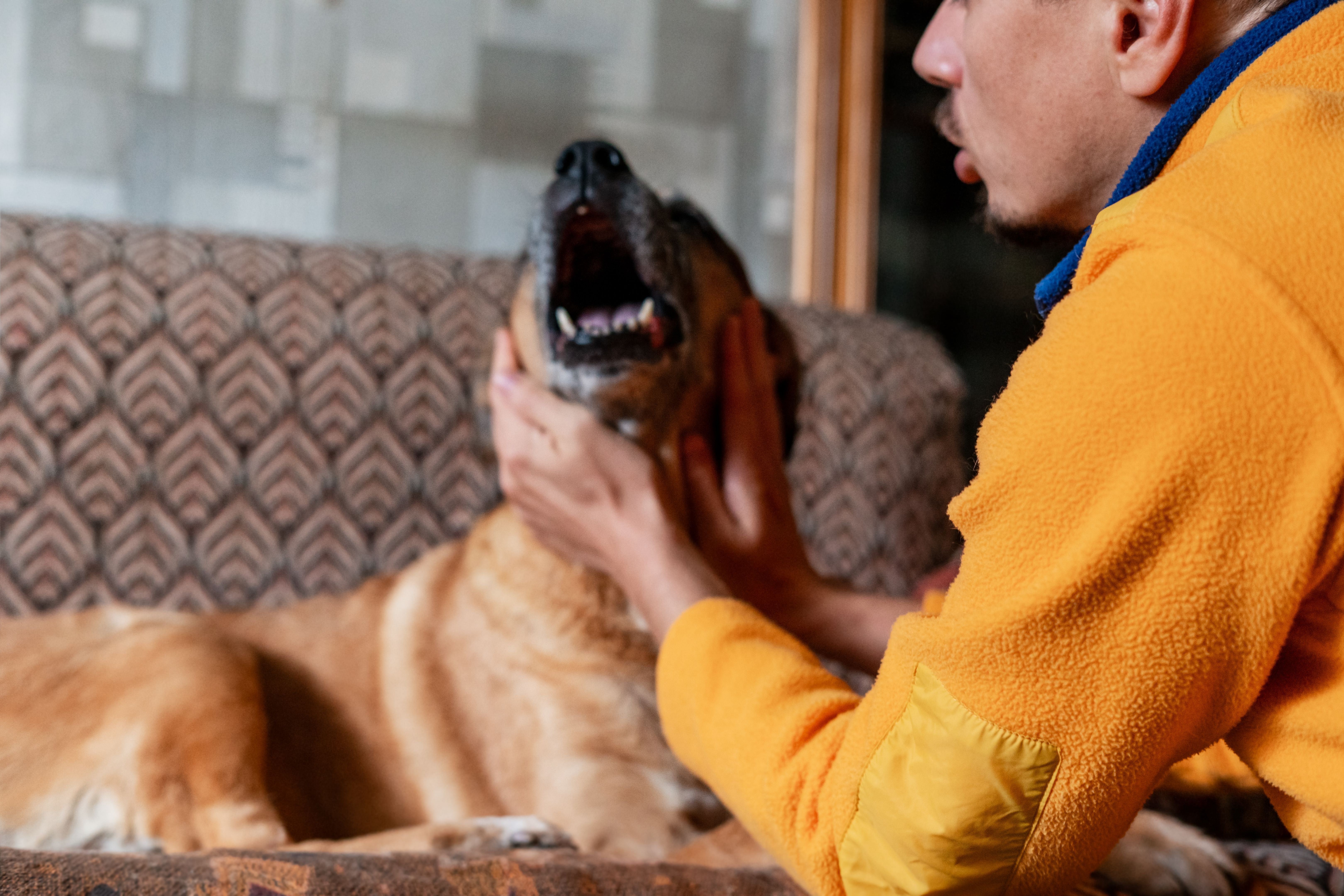
Another misconception is that psychiatric service dogs are a luxury rather than a necessity. For many individuals, these animals are an integral part of their treatment plan. They provide independence, reduce the need for medication, and enhance the overall well-being of their handlers.
These dogs are not mere pets; they are working animals that help manage symptoms and allow individuals to engage more fully in daily life. The profound impact they have on their handlers’ mental health cannot be overstated.
Myth 4: Training Psychiatric Service Dogs Is Easy
Training a psychiatric service dog is a complex process that requires time, skill, and dedication. Professional trainers work tirelessly to ensure that each dog is equipped to handle specific tasks that address the unique needs of their handlers.
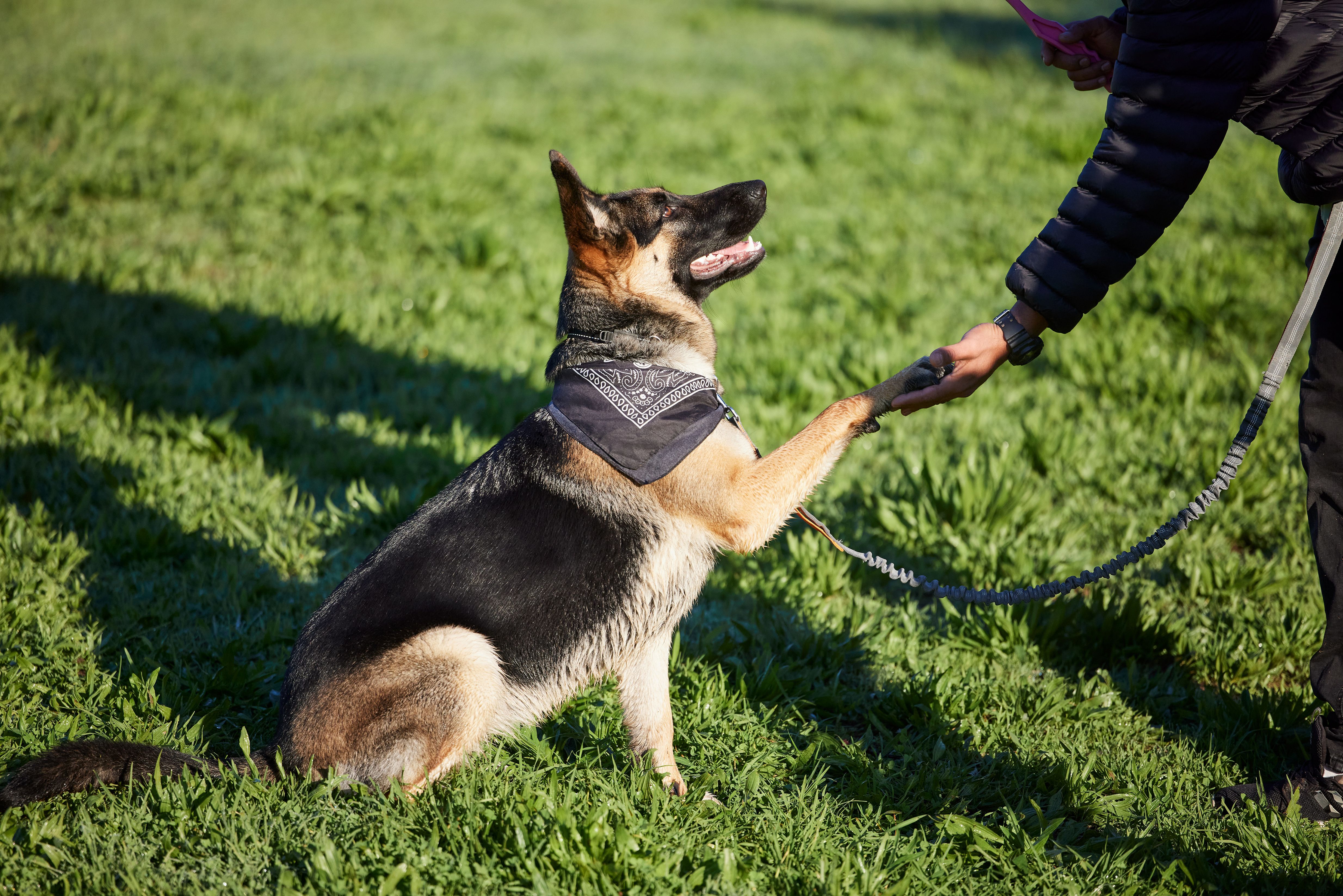
The training process is rigorous, often taking months or even years to complete. This thorough preparation is necessary to ensure that the service dog can effectively support its handler in a wide range of environments and situations.
The Importance of Psychiatric Service Dogs
In summary, psychiatric service dogs are highly trained animals that provide essential support to individuals with mental health conditions. By debunking these common misconceptions, we can better appreciate their role and advocate for their rightful place in society.
Understanding the true nature of psychiatric service dogs helps to promote acceptance and support for those who rely on these incredible animals. Through education and awareness, we can ensure that individuals with psychiatric disabilities have access to the resources they need to thrive.